GVSU Blog

Sample Page

Category: General

  • Protecting Endangered Birds Around the World

    Protecting Endangered Birds Around the World

    Birds are among the most visible and beloved forms of wildlife TG88 on Earth. From the bright feathers of tropical parrots to the long migrations of cranes and shorebirds, birds play essential roles in ecosystems and human cultures. Yet many bird species are disappearing at an alarming rate. Protecting endangered birds around the world is now a global conservation priority, requiring action from governments, scientists, communities, and individuals.

    Why Endangered Birds Matter

    Endangered birds are species at serious risk of extinction. When a bird species disappears, the loss affects far more than the bird itself. Birds pollinate plants, spread seeds, control insects, clean up carrion, and help maintain healthy habitats. For example, vultures help prevent the spread of disease by consuming dead animals, while hummingbirds and sunbirds pollinate flowers in many regions.

    Birds are also indicators of environmental health. Because they are sensitive to changes in habitat, climate, and pollution, declining bird populations often warn us that ecosystems are under stress. Protecting endangered birds helps protect forests, wetlands, grasslands, coastlines, and the many other species that depend on these environments.

    Major Threats to Endangered Birds

    The main threats to endangered birds are habitat loss, climate change, pollution, illegal hunting, invasive species, and human disturbance. Habitat destruction is the biggest driver of bird decline. Forests are cleared for agriculture, wetlands are drained for development, and grasslands are converted into farms or cities. Without safe places to nest, feed, and migrate, many birds cannot survive.

    Climate change is another growing danger. Rising temperatures, shifting rainfall patterns, and stronger storms are changing the habitats birds depend on. Migratory birds are especially vulnerable because they rely on different locations at different times of the year. If food sources or breeding seasons change, entire populations can suffer.

    Pollution also harms birds worldwide. Plastic waste can be swallowed by seabirds, pesticides can poison insects that birds eat, and oil spills can destroy coastal habitats. In some places, illegal trapping and the wildlife trade continue to threaten rare parrots, songbirds, and birds of prey.

    Endangered Birds Around the World

    Many endangered bird species are found on islands, where unique wildlife often evolved without natural predators. The kakapo of New Zealand, a flightless nocturnal parrot, is one of the world’s rarest birds. Intensive conservation efforts, including predator control and careful breeding programs, have helped increase its population, but it remains critically endangered.

    In Asia, the spoon-billed sandpiper faces severe threats along its migration route. This small shorebird breeds in Russia and migrates through East and Southeast Asia. Coastal development and wetland loss have greatly reduced the feeding areas it needs during migration.

    In Africa, vultures are declining rapidly due to poisoning, habitat loss, and collisions with power lines. These birds are vital for ecosystem health, yet several African vulture species are now critically endangered. Conservationists are working to reduce poisoning incidents and protect nesting sites.

    In the Americas, the California condor is a powerful symbol of bird conservation. Once nearly extinct, it has been brought back through captive breeding, habitat protection, and monitoring. Although still endangered, the California condor shows that long-term conservation can work.


    Conservation Strategies That Work

    Protecting endangered birds requires practical, science-based conservation strategies. One of the most effective methods is habitat protection. Creating national parks, wildlife reserves, and marine protected areas gives birds safe places to breed, feed, and rest. Restoring damaged habitats, such as replanting forests or rebuilding wetlands, can also help bird populations recover.

    Captive breeding programs are important for species with extremely low numbers. These programs allow conservationists to raise birds in controlled environments and release them into protected areas when conditions are safe. However, captive breeding works best when combined with habitat protection and threat reduction.

    Controlling invasive species is especially important on islands. Rats, cats, and other introduced predators can destroy eggs, chicks, and adult birds. Removing or managing these predators has saved many island bird species from extinction.

    Reducing pollution is another key part of endangered bird protection. Banning harmful pesticides, reducing plastic waste, and preventing oil spills can make habitats safer for birds. In agricultural areas, bird-friendly farming practices can protect both wildlife and livelihoods.

    The Role of Local Communities

    Local communities are essential to bird conservation. People who live near important bird habitats often understand the land better than anyone else. When communities benefit from conservation, they are more likely to support and protect endangered birds.

    Eco-tourism can provide income while encouraging habitat protection. Birdwatchers travel around the world to see rare and beautiful species, bringing money to local guides, lodges, and businesses. Community-led conservation projects can also reduce illegal hunting and promote sustainable land use.

    Education is equally important. When people learn about the value of endangered birds, they are more likely to protect nests, avoid harmful pesticides, and support conservation laws. Schools, nature centers, and citizen science projects can inspire the next generation of conservation leaders.

    How Individuals Can Help Protect Endangered Birds

    Everyone can take action to help protect endangered birds. Supporting conservation organizations is one way to contribute to research, habitat restoration, and anti-poaching efforts. Donating, volunteering, or sharing reliable information can make a real difference.

    At home, people can create bird-friendly spaces by planting native trees and flowers, avoiding pesticides, and keeping cats indoors. Reducing plastic use, recycling properly, and choosing sustainable products also help protect bird habitats around the world.

    Bird lovers can participate in citizen science programs, such as bird counts and migration monitoring. These projects provide valuable data that scientists use to track bird populations and identify conservation priorities.

    A Global Responsibility

    Protecting endangered birds around the world is not only about saving individual species; it is about preserving the balance of nature. Birds connect continents through migration, support healthy ecosystems, and enrich human life with their beauty and songs. Their decline is a warning, but it is also a call to action.

    With strong conservation policies, protected habitats, community involvement, and individual responsibility, endangered birds can recover. The success stories of species like the Tải app TG88 California condor and kakapo prove that extinction is not inevitable. By acting now, we can ensure that future generations inherit a world where endangered birds still soar, sing, and thrive.
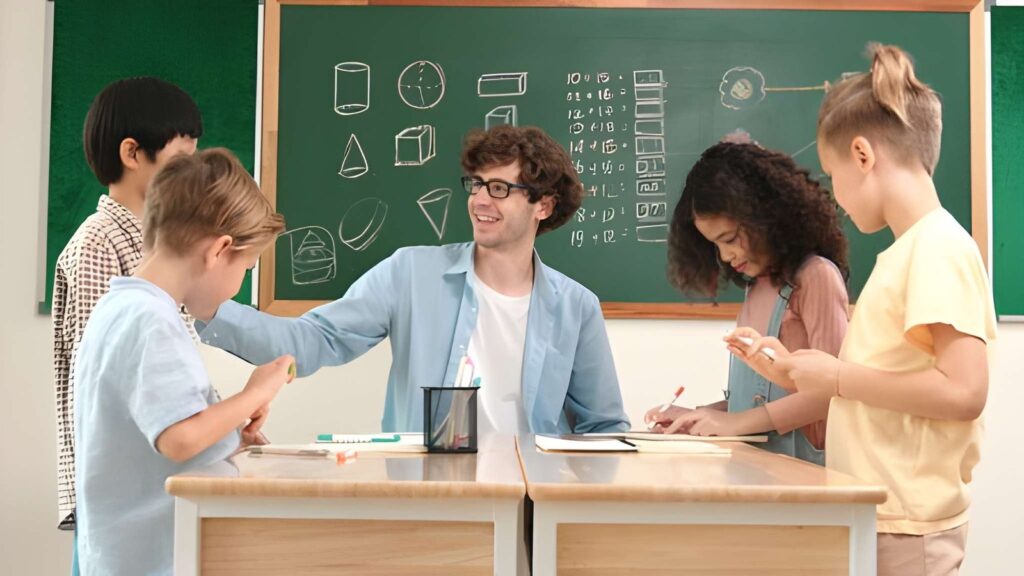

  • How to Build Better Classroom Engagement

    How to Build Better Classroom Engagement

    Classroom engagement is one of the most important factors Hubet in student success. When students are actively involved in learning, they participate more, retain information longer, and develop stronger confidence in their abilities. However, building better classroom engagement does not happen by chance. It requires planning, creativity, and a clear understanding of what motivates students.

    Whether you teach young children, teenagers, or adult learners, the goal is the same: create a classroom environment where students feel interested, included, and ready to learn. The following strategies can help teachers improve classroom engagement and create more meaningful learning experiences.

    What Is Classroom Engagement?

    Classroom engagement refers to the level of attention, curiosity, interest, and participation students show during lessons. It includes more than simply listening to a teacher or completing assignments. Truly engaged students ask questions, share ideas, collaborate with others, and take responsibility for their learning.

    There are three main types of engagement:

    – **Behavioral engagement:** Students participate, follow instructions, and complete tasks.

    – **Emotional engagement:** Students feel connected, motivated, and supported.

    – **Cognitive engagement:** Students think deeply, solve problems, and apply knowledge.

    A successful classroom should encourage all three types of engagement.

    Create a Positive Classroom Environment

    A positive classroom environment is the foundation of better classroom engagement. Students are more likely to participate when they feel safe, respected, and valued. Teachers can build this environment by learning students’ names, listening to their opinions, and showing genuine interest in their progress.

    Clear expectations also help students feel secure. When classroom rules, routines, and learning goals are easy to understand, students know what is expected of them. This reduces confusion and allows more time for active learning.

    Encouragement is another powerful tool. Praise effort, improvement, and participation, not just correct answers. When students feel that their effort matters, they are more willing to take risks and contribute to discussions.

    Use Active Learning Strategies

    Active learning is one of the best ways to increase classroom engagement. Instead of passively receiving information, students become part of the learning process. This keeps lessons interesting and helps students understand concepts more deeply.

    Examples of active learning strategies include:

    – Group discussions

    – Think-pair-share activities

    – Problem-solving tasks

    – Role-playing

    – Hands-on experiments

    – Classroom debates

    – Quick quizzes or polls

    These strategies encourage students to interact with the material and with each other. Even a short activity can make a lesson more engaging and memorable.

    Connect Lessons to Real Life

    Students are more engaged when they understand why a lesson matters. Connecting classroom content to real-life situations helps students see the value of what they are learning.

    For example, math lessons can include budgeting, shopping discounts, or measuring ingredients for a recipe. Science lessons can connect to weather, health, or technology. Literature lessons can explore themes that relate to students’ personal experiences, such as friendship, courage, or identity.

    When students see a clear purpose, they are more likely to pay attention and participate. Real-world connections make learning practical, relevant, and meaningful.

    Give Students More Choice

    Student choice is a simple but effective way to improve classroom engagement. When students have some control over their learning, they often feel more motivated and responsible.

    Teachers can offer choices in many ways, such as:

    – Choosing between project topics

    – Selecting reading materials

    – Deciding how to present learning

    – Picking a partner or group role

    – Choosing from different assignment formats

    The choices do not need to be unlimited. Even two or three options can make students feel more involved. The key is to provide structure while allowing students to express their interests and strengths.

    Incorporate Technology Wisely

    Technology can be a powerful tool for classroom engagement when used with purpose. Interactive apps, educational videos, digital quizzes, and online collaboration tools can make lessons more dynamic and accessible.

    For example, teachers can use polling tools to check understanding instantly, digital whiteboards for brainstorming, or learning platforms for student projects. Technology can also support different learning styles by offering visual, audio, and interactive content.

    However, technology should not replace strong teaching. It works best when it supports clear learning goals. Before using a digital tool, ask whether it improves understanding, encourages participation, or makes learning more effective.

    Encourage Collaboration

    Collaboration helps students learn from one another and develop important communication skills. Group work can increase classroom engagement by making students active participants rather than passive listeners.

    To make collaboration successful, teachers should provide clear roles and expectations. For example, one student may be the note-taker, another the presenter, and another the timekeeper. This structure helps prevent one student from doing all the work while others remain quiet.

    Collaborative learning also teaches students how to respect different viewpoints, solve problems together, and build confidence in sharing ideas.

    Ask Better Questions

    Questions play a major role in classroom engagement. Instead of asking only questions with one correct answer, teachers can use open-ended questions that encourage deeper thinking.

    For example, instead of asking, “What happened in the story?” ask, “Why do you think the character made that choice?” Instead of asking, “What is the formula?” ask, “How could this formula be used in real life?”

    Better questions encourage students to explain, analyze, and defend their ideas. They also create richer classroom discussions and help teachers understand how students are thinking.

    Use Formative Feedback

    Feedback is essential for keeping students engaged. When students receive helpful feedback, they know what they are doing well and what they need to improve. This makes learning feel achievable.

    Formative feedback can happen during a lesson, not just after a test. Teachers can use quick check-ins, exit tickets, short conferences, or written comments to guide students. Feedback should be specific, timely, and focused on growth.

    For example, instead of saying, “Good job,” say, “Your argument is strong because you used evidence from the text.” Specific feedback helps students understand exactly what success looks like.

    Build Relationships With Students

    Strong teacher-student relationships are at the heart of classroom engagement. Students are more likely to engage when they believe their teacher cares about them as individuals.

    Take time to learn about students’ interests, goals, and challenges. Greet them at the door, ask about their hobbies, and notice when they need support. Small actions can create a strong sense of connection.

    When students trust their teacher, they are more willing to participate, ask for help, and stay committed to learning.

    Conclusion: Engagement Starts With Intentional Teaching

    Building better classroom engagement requires more than entertaining lessons. It involves creating a supportive environment, using active learning, offering meaningful choices, and connecting lessons to students’ lives. Technology, collaboration, questioning, feedback, and relationships all play important roles.

    The most effective teachers understand that engagement is not a single activity but an ongoing process. By using thoughtful strategies every day, educators can create classrooms Nổ Hũ Hubet where students are motivated, confident, and ready to learn. Better classroom engagement leads to better outcomes—not only in academics but also in communication, creativity, and lifelong learning.

  • Best Tips to Boost Classroom Confidence

    Best Tips to Boost Classroom Confidence

    King88 confidence is one of the most important qualities a student can develop. Whether a learner is answering questions, giving a presentation, working in groups, or taking a test, confidence plays a major role in academic success. Confident students are more willing to participate, take risks, ask for help, and learn from mistakes. The good news is that confidence is not something students either have or do not have—it can be built with practice, support, and the right strategies.

    In this article, we will explore the best tips to boost classroom confidence and help students feel more prepared, capable, and motivated every day.

    Why Classroom Confidence Matters

    Classroom confidence affects how students think, behave, and perform. A student who believes in their ability is more likely to try challenging tasks and stay motivated even when lessons become difficult. Confidence also improves communication skills, social interaction, and problem-solving.

    When students lack confidence, they may avoid speaking up, hesitate to ask questions, or fear making mistakes. Over time, this can affect grades, participation, and self-esteem. Building confidence in the classroom helps create a positive learning environment where students feel safe, valued, and ready to succeed.

    1. Prepare Before Class

    One of the best ways to boost classroom confidence is preparation. When students understand the topic before a lesson, they feel more comfortable participating. Preparation can include reading assigned materials, reviewing notes, completing homework, or watching short educational videos related to the subject.

    Even spending 10 to 15 minutes reviewing before class can make a big difference. Students who come prepared are more likely to answer questions, join discussions, and follow the teacher’s explanations with ease.

    2. Set Small, Achievable Goals

    Confidence grows when students experience success. Setting small goals is a powerful way to build that success step by step. Instead of aiming to become the best student overnight, learners can focus on simple goals such as raising their hand once per class, asking one question, or improving one test score.

    These small achievements create a sense of progress. As students reach their goals, they begin to believe in their abilities. Over time, small wins lead to stronger classroom confidence and better academic performance.

    3. Practice Positive Self-Talk

    The way students speak to themselves matters. Negative thoughts such as “I am not smart enough” or “I will make a mistake” can lower confidence. Positive self-talk helps students replace fear with encouragement.

    For example, students can say, “I can try my best,” “Mistakes help me learn,” or “I am improving every day.” These simple statements can change a student’s mindset and reduce anxiety. Teachers and parents can also encourage positive language to help students build a healthier attitude toward learning.

    4. Participate More Often

    Classroom participation is one of the most effective ways to increase confidence. At first, speaking in front of classmates may feel uncomfortable, but practice makes it easier. Students can start small by answering simple questions, reading aloud, or sharing ideas during group activities.

    The more students participate, the more natural it becomes. Participation also helps teachers understand what students know and where they need support. Over time, students become more confident in expressing their thoughts and opinions.

    5. Learn From Mistakes

    Many students fear mistakes because they think errors mean failure. However, mistakes are a normal and valuable part of learning. Confident students understand that making mistakes helps them improve.

    Teachers can support this by creating a classroom culture where errors are treated as learning opportunities. Instead of feeling embarrassed, students should be encouraged to ask, “What can I learn from this?” When students stop fearing mistakes, they become more willing to try new things and challenge themselves.

    6. Improve Study Habits

    Good study habits can greatly improve classroom confidence. Students who study regularly feel more prepared for quizzes, tests, and discussions. Effective study habits include organizing notes, reviewing lessons daily, using flashcards, practicing problems, and taking short breaks.

    Time management is also important. Waiting until the last minute to study can cause stress and reduce confidence. A consistent study routine helps students feel in control of their learning and ready for classroom challenges.

    7. Build Strong Teacher-Student Relationships

    A supportive teacher can make a huge difference in a student’s confidence. When students feel respected and understood, they are more likely to ask questions and participate. Teachers can boost classroom confidence by offering encouragement, giving helpful feedback, and recognizing effort.

    Students should also feel comfortable approaching teachers for help. Asking for support is not a weakness—it is a smart learning strategy. Strong communication between teachers and students creates trust and improves academic confidence.

    8. Use Group Work to Build Social Confidence

    Group activities help students practice communication, teamwork, and leadership skills. Working with classmates allows students to share ideas in a smaller, less intimidating setting. This can be especially helpful for shy students who may feel nervous speaking in front of the whole class.

    Group work also teaches students to listen, cooperate, and solve problems together. As they contribute to team success, students gain confidence in their abilities and feel more connected to their peers.

    9. Celebrate Progress, Not Perfection

    Confidence grows when students recognize their improvement. Instead of focusing only on perfect grades, it is important to celebrate effort, progress, and persistence. A student who improves from a low score to a higher one has achieved something meaningful.

    Parents and teachers should praise hard work, creativity, and determination. This helps students understand that success is not about being perfect—it is about continuing to grow. When progress is celebrated, students feel motivated to keep trying.

    10. Practice Public Speaking Skills

    Many Đăng nhập King88 students struggle with confidence when speaking in front of the class. Public speaking is a skill that improves with practice. Students can begin by practicing at home, speaking in front of a mirror, or presenting to family members.

    In the classroom, teachers can use short speaking activities to help students become more comfortable. Simple exercises like sharing a daily thought, explaining an answer, or presenting a small project can reduce fear. Over time, students develop stronger communication skills and greater self-confidence.

    11. Stay Organized

    Organization helps students feel calm and prepared. A messy backpack, missing homework, or forgotten deadlines can create stress and lower confidence. Students can stay organized by using planners, folders, checklists, and digital reminders.

    Knowing where materials are and when assignments are due gives students a sense of control. This reduces anxiety and helps them focus better in class. An organized student is often a more confident student.

    12. Encourage a Growth Mindset

    A growth mindset is the belief that abilities can improve through effort and practice. Students with a growth mindset are more likely to accept challenges and keep going after setbacks. They understand that intelligence is not fixed and that learning takes time.

    Teachers and parents can encourage a growth mindset by using phrases like “You are improving,” “Keep practicing,” and “This is difficult, but you can learn it.” This mindset helps students become more resilient and confident in the classroom.

    Final Thoughts

    Boosting classroom confidence takes time, patience, and consistent effort. Students can build confidence by preparing for class, setting small goals, participating often, learning from mistakes, and developing strong study habits. Teachers and parents also play an important role by offering support, encouragement, and positive feedback.

    Confidence does not mean knowing every answer or never feeling nervous. It means being willing to try, learn, and grow. With the right strategies, every student can become more confident in the classroom and reach their full potential.