How to Build Better Classroom Engagement
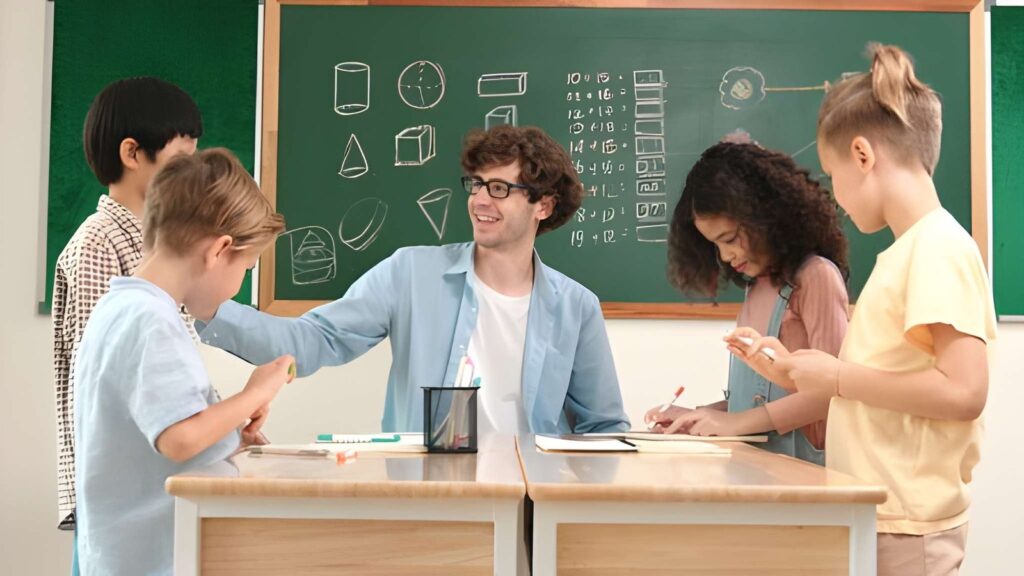
Classroom engagement is one of the most important factors Hubet in student success. When students are actively involved in learning, they participate more, retain information longer, and develop stronger confidence in their abilities. However, building better classroom engagement does not happen by chance. It requires planning, creativity, and a clear understanding of what motivates students.
Whether you teach young children, teenagers, or adult learners, the goal is the same: create a classroom environment where students feel interested, included, and ready to learn. The following strategies can help teachers improve classroom engagement and create more meaningful learning experiences.
What Is Classroom Engagement?
Classroom engagement refers to the level of attention, curiosity, interest, and participation students show during lessons. It includes more than simply listening to a teacher or completing assignments. Truly engaged students ask questions, share ideas, collaborate with others, and take responsibility for their learning.
There are three main types of engagement:
– **Behavioral engagement:** Students participate, follow instructions, and complete tasks.
– **Emotional engagement:** Students feel connected, motivated, and supported.
– **Cognitive engagement:** Students think deeply, solve problems, and apply knowledge.
A successful classroom should encourage all three types of engagement.
Create a Positive Classroom Environment
A positive classroom environment is the foundation of better classroom engagement. Students are more likely to participate when they feel safe, respected, and valued. Teachers can build this environment by learning students’ names, listening to their opinions, and showing genuine interest in their progress.
Clear expectations also help students feel secure. When classroom rules, routines, and learning goals are easy to understand, students know what is expected of them. This reduces confusion and allows more time for active learning.
Encouragement is another powerful tool. Praise effort, improvement, and participation, not just correct answers. When students feel that their effort matters, they are more willing to take risks and contribute to discussions.
Use Active Learning Strategies
Active learning is one of the best ways to increase classroom engagement. Instead of passively receiving information, students become part of the learning process. This keeps lessons interesting and helps students understand concepts more deeply.
Examples of active learning strategies include:
– Group discussions
– Think-pair-share activities
– Problem-solving tasks
– Role-playing
– Hands-on experiments
– Classroom debates
– Quick quizzes or polls
These strategies encourage students to interact with the material and with each other. Even a short activity can make a lesson more engaging and memorable.
Connect Lessons to Real Life
Students are more engaged when they understand why a lesson matters. Connecting classroom content to real-life situations helps students see the value of what they are learning.
For example, math lessons can include budgeting, shopping discounts, or measuring ingredients for a recipe. Science lessons can connect to weather, health, or technology. Literature lessons can explore themes that relate to students’ personal experiences, such as friendship, courage, or identity.
When students see a clear purpose, they are more likely to pay attention and participate. Real-world connections make learning practical, relevant, and meaningful.
Give Students More Choice
Student choice is a simple but effective way to improve classroom engagement. When students have some control over their learning, they often feel more motivated and responsible.
Teachers can offer choices in many ways, such as:
– Choosing between project topics
– Selecting reading materials
– Deciding how to present learning
– Picking a partner or group role
– Choosing from different assignment formats
The choices do not need to be unlimited. Even two or three options can make students feel more involved. The key is to provide structure while allowing students to express their interests and strengths.
Incorporate Technology Wisely
Technology can be a powerful tool for classroom engagement when used with purpose. Interactive apps, educational videos, digital quizzes, and online collaboration tools can make lessons more dynamic and accessible.
For example, teachers can use polling tools to check understanding instantly, digital whiteboards for brainstorming, or learning platforms for student projects. Technology can also support different learning styles by offering visual, audio, and interactive content.
However, technology should not replace strong teaching. It works best when it supports clear learning goals. Before using a digital tool, ask whether it improves understanding, encourages participation, or makes learning more effective.
Encourage Collaboration
Collaboration helps students learn from one another and develop important communication skills. Group work can increase classroom engagement by making students active participants rather than passive listeners.
To make collaboration successful, teachers should provide clear roles and expectations. For example, one student may be the note-taker, another the presenter, and another the timekeeper. This structure helps prevent one student from doing all the work while others remain quiet.
Collaborative learning also teaches students how to respect different viewpoints, solve problems together, and build confidence in sharing ideas.
Ask Better Questions
Questions play a major role in classroom engagement. Instead of asking only questions with one correct answer, teachers can use open-ended questions that encourage deeper thinking.
For example, instead of asking, “What happened in the story?” ask, “Why do you think the character made that choice?” Instead of asking, “What is the formula?” ask, “How could this formula be used in real life?”
Better questions encourage students to explain, analyze, and defend their ideas. They also create richer classroom discussions and help teachers understand how students are thinking.
Use Formative Feedback
Feedback is essential for keeping students engaged. When students receive helpful feedback, they know what they are doing well and what they need to improve. This makes learning feel achievable.
Formative feedback can happen during a lesson, not just after a test. Teachers can use quick check-ins, exit tickets, short conferences, or written comments to guide students. Feedback should be specific, timely, and focused on growth.
For example, instead of saying, “Good job,” say, “Your argument is strong because you used evidence from the text.” Specific feedback helps students understand exactly what success looks like.
Build Relationships With Students
Strong teacher-student relationships are at the heart of classroom engagement. Students are more likely to engage when they believe their teacher cares about them as individuals.
Take time to learn about students’ interests, goals, and challenges. Greet them at the door, ask about their hobbies, and notice when they need support. Small actions can create a strong sense of connection.
When students trust their teacher, they are more willing to participate, ask for help, and stay committed to learning.
Conclusion: Engagement Starts With Intentional Teaching
Building better classroom engagement requires more than entertaining lessons. It involves creating a supportive environment, using active learning, offering meaningful choices, and connecting lessons to students’ lives. Technology, collaboration, questioning, feedback, and relationships all play important roles.
The most effective teachers understand that engagement is not a single activity but an ongoing process. By using thoughtful strategies every day, educators can create classrooms Nổ Hũ Hubet where students are motivated, confident, and ready to learn. Better classroom engagement leads to better outcomes—not only in academics but also in communication, creativity, and lifelong learning.